Source Hand Made Aromatherapy Backflow Incense Cones for Home, Gift, and Decoration
Find 30 options for hand made aromatherapy backflow incense cones suitable for home ambiance, corporate gifts, and decorative displays. Compare materials like wood and bamboo, scents including sandalwood, and customization features to find the right supplier for your needs.
Key considerations
Products List


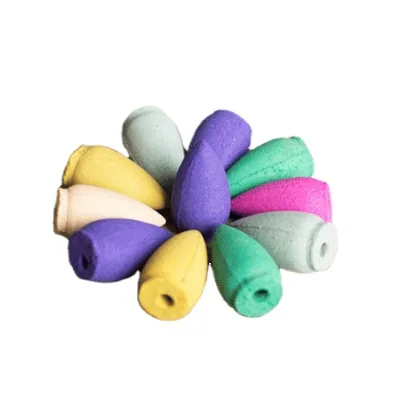
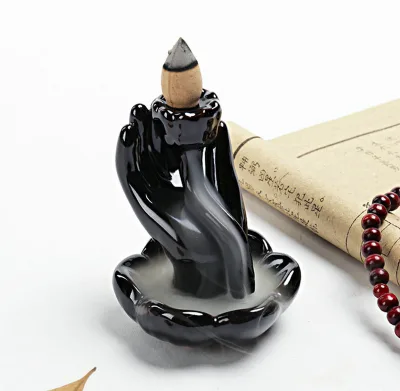
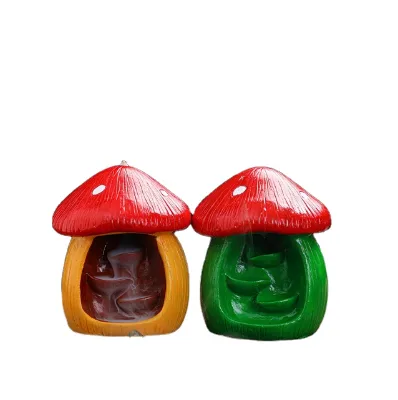
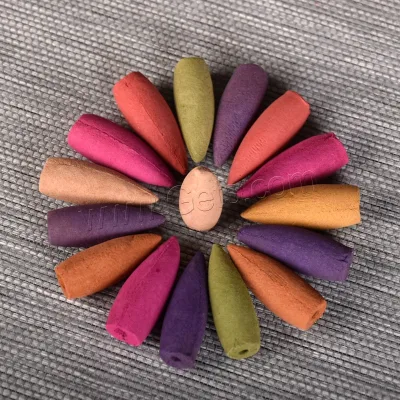

Comprehensive Sourcing Guide
Hand Made Aromatherapy Backflow Incense Cones Sourcing Guide
Sourcing hand-made aromatherapy backflow incense cones requires a nuanced understanding of both the physical properties of the product and the specific manufacturing capabilities of suppliers. These cones are distinct from standard incense due to their density and chemical composition, which allows them to produce a downward-flowing smoke effect when used with a specialized burner. Buyers must recognize that "hand-made" implies a level of artisanal craftsmanship that can vary significantly between batches, necessitating rigorous quality control protocols. The primary appeal lies in the aesthetic and olfactory experience, often marketed for home usage, religious ceremonies, or decorative purposes. Understanding these dual functions is critical when evaluating supplier claims and product samples.
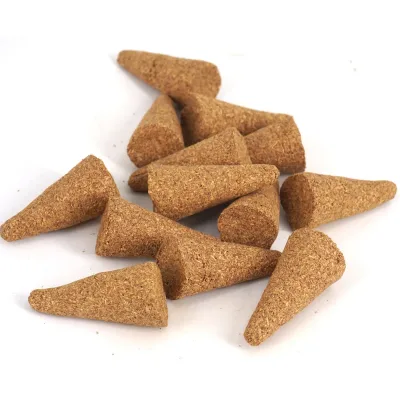
The market for these items is diverse, ranging from simple natural wood and bamboo variants to more complex scented options like sandalwood or agarwood. Suppliers often highlight customization options, including logo printing, label design, and packaging, which are essential for private label brands. However, the term "hand-made" does not guarantee uniformity in weight, burn time, or smoke density. Procurement teams must therefore focus on verifying the consistency of the manufacturing process rather than relying solely on marketing terminology. This guide provides a structured approach to evaluating suppliers, verifying technical specifications, and ensuring compliance with safety standards for this specific niche of aromatic products.
Product Scope and Observed Listing Signals
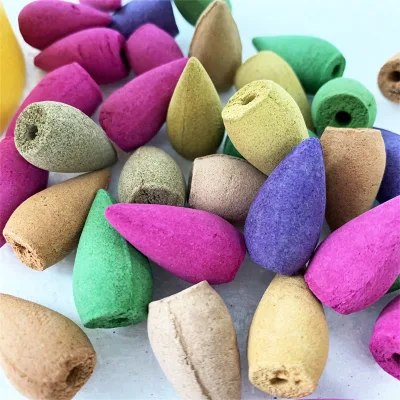
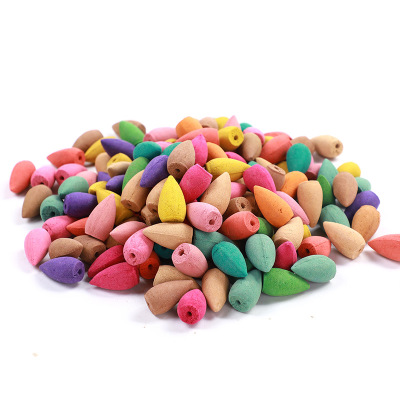
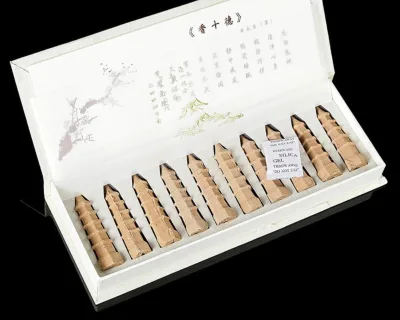
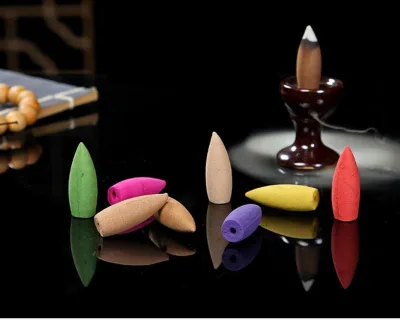
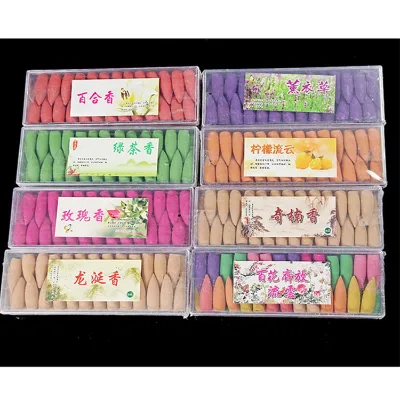
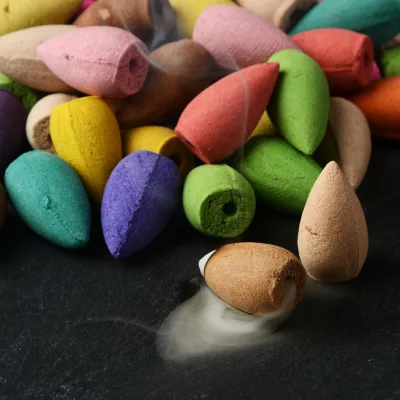
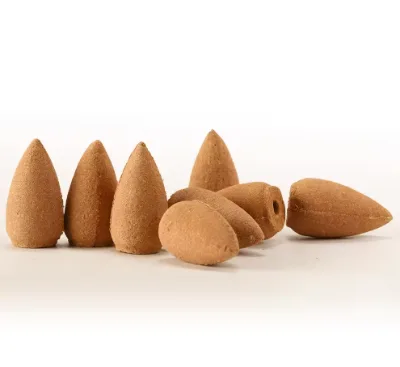
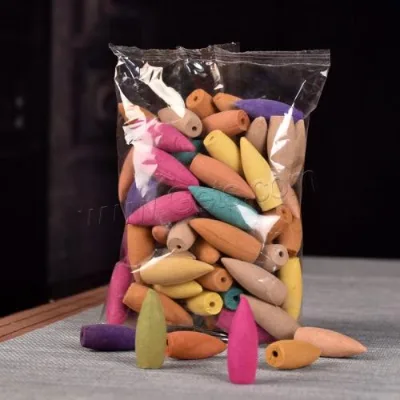
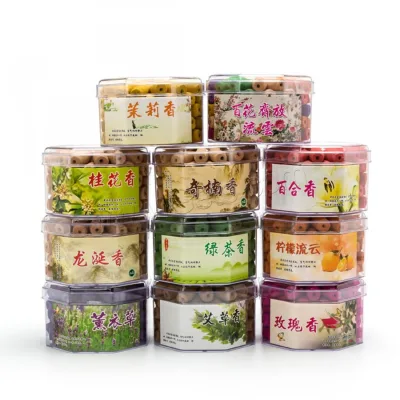
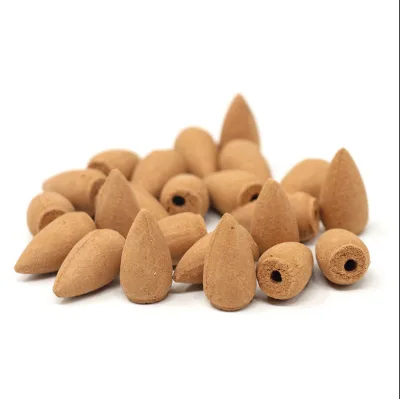
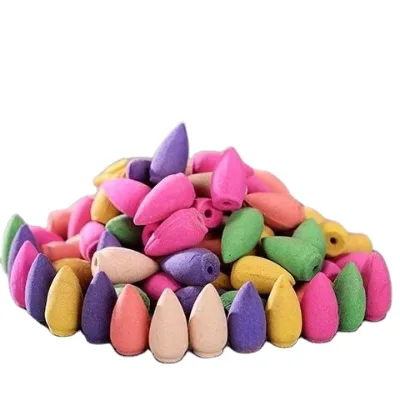
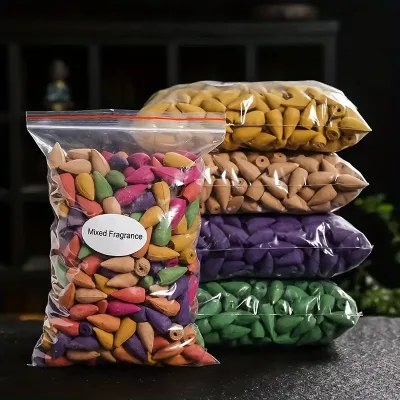
The observed product landscape for backflow incense cones reveals a wide range of materials, scents, and packaging options. Common materials include wood, bamboo, and specific wood types such as agarwood, which are often cited for their premium aromatic qualities. Scents vary from natural sandalwood to mixed colors and even unconventional options like candy scents, indicating a broad target market that includes both traditional religious users and modern lifestyle consumers. The typical form factor is a cone, with single package sizes ranging from small 10x10x10 cm boxes to larger 25x25x25 cm cartons, reflecting different order volumes and shipping considerations.
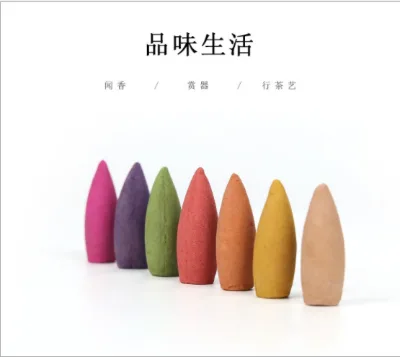
Listing signals also indicate a strong emphasis on customization and branding. Many suppliers offer OEM and ODM services, allowing buyers to customize logos, labels, and packaging details such as color boxes. The presence of "natural color" and "mixed color" options suggests that visual appeal is a key selling point, particularly for decorative use. Additionally, the mention of "no seed" and "no plug" clarifies that these are standalone aromatic products requiring separate burners. Buyers should note that while some listings claim eco-friendly features, these are observational attributes that require independent verification through material safety data sheets and supplier audits.
Technical Specifications to Verify
Technical verification begins with the physical dimensions and weight of the product, which directly impact shipping costs and user experience. Standard specifications often cite dimensions such as 21x5 cm for the incense itself or model numbers like 25MM for diameter, though these can vary by supplier. The single gross weight is a critical metric for logistics planning, with observed weights ranging from 0.500 kg to 1.200 kg per package. Buyers must confirm the exact weight and dimensions of the final packaged product, including the box or bag, to accurately calculate freight costs and storage requirements.
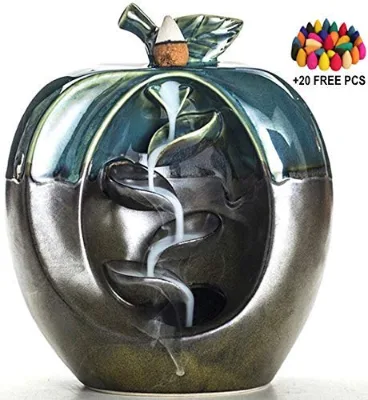
Burn performance and smoke density are the core functional attributes of backflow incense. The cones must be dense enough to produce a steady, downward-flowing smoke stream when placed on a compatible backflow burner. Buyers should request samples to test burn time, ash quality, and smoke consistency. It is essential to verify that the cones do not produce excessive ash or break easily during handling. Additionally, the scent throw and longevity should be evaluated to ensure they meet the expectations of the end-user. Suppliers may claim specific burn times or scent intensities, but these claims must be validated through independent testing or third-party lab reports.
Compliance and Safety Documentation
Safety compliance is paramount when sourcing aromatic products, as they involve combustion and inhalation of particulate matter. Buyers must ensure that suppliers provide relevant safety documentation, including material safety data sheets (MSDS) and combustion analysis reports. These documents should detail the chemical composition of the incense, including any binders, fragrances, or additives used in the hand-making process. It is crucial to verify that the products comply with the safety standards of the destination market, particularly regarding volatile organic compounds (VOCs) and particulate matter emissions.
Religious and cultural usage often implies specific material purity requirements, such as the use of natural agarwood or sandalwood without synthetic fillers. Buyers should request certificates of origin and material authenticity to prevent misrepresentation. While some listings mention eco-friendly features, these claims must be supported by verifiable certifications or sustainable sourcing practices. Additionally, packaging materials should be evaluated for compliance with environmental regulations in the target market, such as restrictions on certain plastics or inks. Ensuring that all documentation is up-to-date and legally valid is a critical step in mitigating regulatory risk.
Cost Drivers and Commercial Terms
Cost structures for hand-made backflow incense cones are influenced by material quality, labor intensity, and customization requirements. Premium materials like agarwood and sandalwood significantly increase the base cost, while standard wood or bamboo variants offer more competitive pricing. Labor costs are a major factor due to the hand-made nature of the product, which requires skilled artisans to ensure consistency and quality. Customization options, such as logo printing, custom packaging, and private labeling, add additional costs that must be factored into the total landed cost.
Commercial terms, including minimum order quantities (MOQ) and payment terms, vary widely among suppliers. Observed MOQs range from 1 bag to 3000 units, allowing for flexibility in order sizes. Buyers should negotiate terms that align with their inventory management strategy, considering factors such as storage capacity and cash flow. Shipping costs are also a significant component, with suppliers often advising buyers to contact them for the lowest shipping freight options. It is essential to clarify whether prices are EXW, FOB, or CIF, and to understand any additional fees for packaging, labeling, or documentation.
Supplier Qualification and Quality Control
Supplier qualification involves a thorough assessment of manufacturing capabilities, quality control processes, and business stability. Buyers should verify the supplier's production capacity, lead times, and ability to handle custom orders. Given the hand-made nature of the product, it is crucial to assess the consistency of the manufacturing process and the training of artisans. Suppliers should have documented quality control procedures in place, including raw material inspection, in-process checks, and final product testing.
Quality control should extend to packaging and shipping, as these factors impact product integrity and customer satisfaction. Buyers should ensure that suppliers use safe international standard packing to prevent damage during transit. Regular audits, either on-site or through third-party inspection agencies, can help verify compliance with quality standards and ethical labor practices. Establishing a clear communication channel for feedback and issue resolution is also essential for maintaining a successful long-term partnership.
Long-Term Procurement Checks
Long-term procurement success depends on continuous monitoring of product quality, supplier performance, and market trends. Buyers should establish key performance indicators (KPIs) to track metrics such as defect rates, on-time delivery, and customer satisfaction. Regular sample testing and feedback loops with end-users can help identify areas for improvement and ensure that the product remains competitive. Additionally, staying informed about changes in regulations, material availability, and consumer preferences is crucial for adapting to market dynamics.
Building a resilient supply chain involves diversifying suppliers and maintaining open lines of communication. Buyers should periodically review contracts and commercial terms to ensure they remain favorable and aligned with business objectives. Investing in relationship management and collaborative planning can help mitigate risks and enhance operational efficiency. By focusing on continuous improvement and strategic partnership, buyers can secure a reliable source of high-quality hand-made aromatherapy backflow incense cones for their business.
FAQs
What materials are used for these incense cones?
The incense cones are crafted from wood and bamboo materials. Some specific varieties utilize agarwood as the primary wood type. These natural components ensure an authentic aromatic experience suitable for religious and home usage applications.
Can I customize the logo and packaging for this product?
Yes, customization is available for logos, labels, and packaging options. Buyers can request personalized gift boxes or specific color box designs. The product supports OEM and ODM services to meet distinct branding requirements for bulk orders.
What scents are available for the backflow incense cones?
The primary scent offered is sandalwood, which provides a classic aromatic profile. Some product listings also indicate a candy scent option alongside sandalwood. These scents are designed for aromatherapy and general home usage throughout all seasons.
What are the standard dimensions and specifications of the cones?
Standard specifications include a size of 21 by 5 centimeters for certain models. Other variants feature a single package size of 10 by 10 by 10 centimeters or 25 by 25 by 25 centimeters. The model number HS-BURNER-ACC26 is associated with specific burner applications.
Where are these incense cones manufactured and shipped from?
The products originate from China, specifically the Guangdong region. They are classified as Chinese incense with regional features. Shipping involves safe international standard packing to ensure the goods arrive securely at the destination.
What is the minimum order quantity for purchasing these cones?
The minimum order quantity ranges from 1 bag up to 3000 units depending on the supplier. Specific listings indicate a MOQ of 1 bag for single items. Buyers should contact suppliers directly to confirm the lowest freight rates and specific order thresholds.
Are these incense cones suitable for backflow burners?
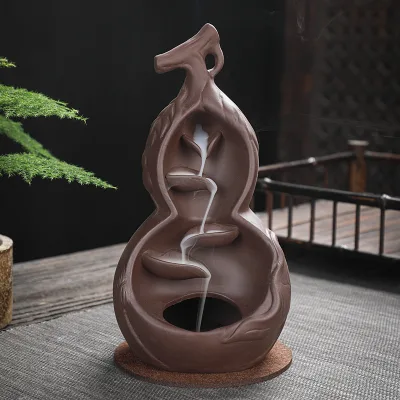
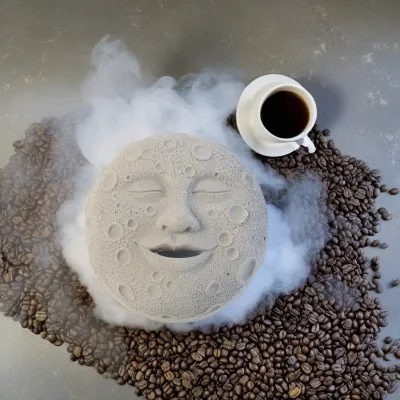
Yes, these cones are explicitly designed for use with backflow incense burners. The product name and application details confirm their compatibility with such devices. They function effectively as aromatic cones for creating visual smoke effects in home settings.